
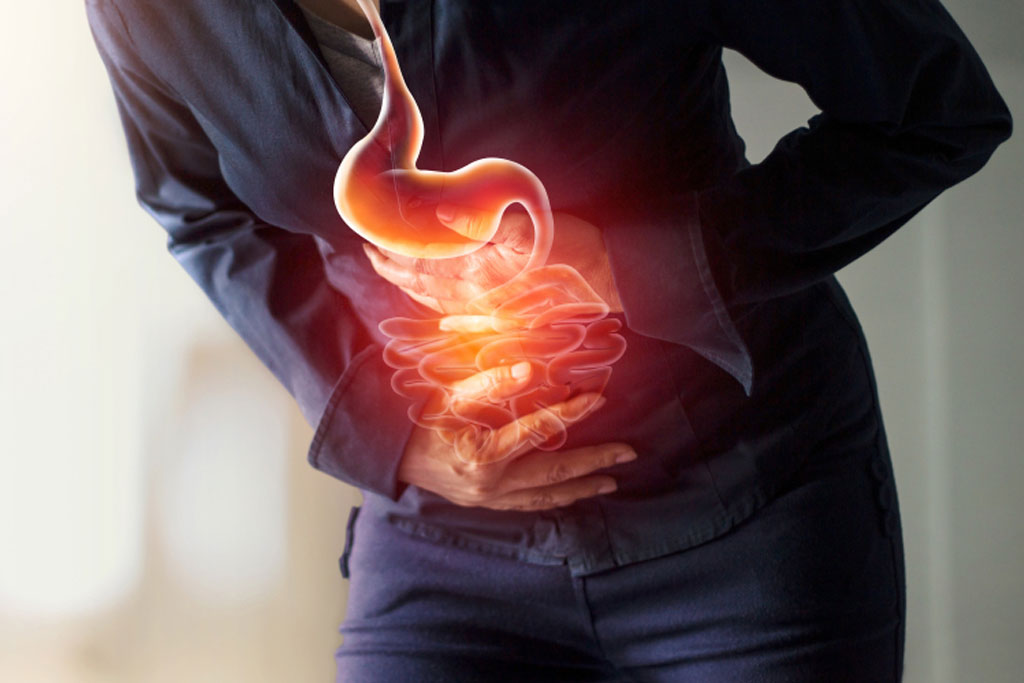
Common Gastrointestinal Disorders
1. Gastroesophageal Reflux Disease (GERD):
GERD occurs when stomach acid frequently flows back into the esophagus, leading to symptoms such as heartburn, regurgitation, and chest pain. Chronic GERD can damage the esophagus and lead to complications like esophagitis.
Treatment:
- Lifestyle changes: Avoiding trigger foods, eating smaller meals, and elevating the head of the bed.
- Medications: Antacids, H2 blockers, and proton pump inhibitors (PPIs).
- Surgery: In severe cases, procedures like fundoplication may be recommended.
2. Irritable Bowel Syndrome (IBS):
IBS is a functional GI disorder characterized by abdominal pain, bloating, and changes in bowel habits (diarrhea, constipation, or both). The exact cause of IBS is unknown, but it is often triggered by stress, diet, and hormonal changes.
Treatment:
- Dietary changes: Low FODMAP diet, increased fiber intake.
- Medications: Antispasmodics, laxatives, and antidiarrheal drugs.
- Stress management: Cognitive-behavioral therapy (CBT), relaxation techniques.
3. Inflammatory Bowel Disease (IBD):
IBD includes conditions such as Crohn’s disease and ulcerative colitis, which cause chronic inflammation of the GI tract. Symptoms include abdominal pain, severe diarrhea, fatigue, and weight loss.
Treatment:
- Medications: Anti-inflammatory drugs, immunosuppressants, and biologics.
- Diet: Nutritional support and avoiding trigger foods.
- Surgery: For severe cases, surgery to remove damaged portions of the GI tract may be necessary.
4. Celiac Disease:
Celiac disease is an autoimmune disorder where ingestion of gluten leads to damage in the small intestine. Symptoms include diarrhea, bloating, gas, and weight loss. Long-term complications can include malnutrition and osteoporosis.
Treatment:
- Strict gluten-free diet: Eliminating all sources of gluten from the diet.
- Nutritionalsupplements: To address deficiencies.
Managing Gastrointestinal Health:
- Eat a balanced diet: Focus on high-fiber foods, lean proteins, and plenty of fruits and vegetables.
- Stay hydrated: Drink plenty of water to aid digestion and prevent constipation.
- Exercise regularly: Physical activity promotes regular bowel movements and reduces stress.
- Avoid trigger foods: Identify and avoid foods that cause symptoms.
- Manage stress: Practice relaxation techniques such as yoga, meditation, and deep breathing.
When to See a Specialist:
If you experience persistent or severe GI symptoms, it’s important to consult a gastroenterologist. Early diagnosis and treatment can prevent complications and improve your quality of life.
Symptoms to watch for:
- Persistent abdominal pain or discomfort
- Unexplained weight loss
- Chronic diarrhea or constipation
- Blood in stool
- Severe heartburn or acid reflux
