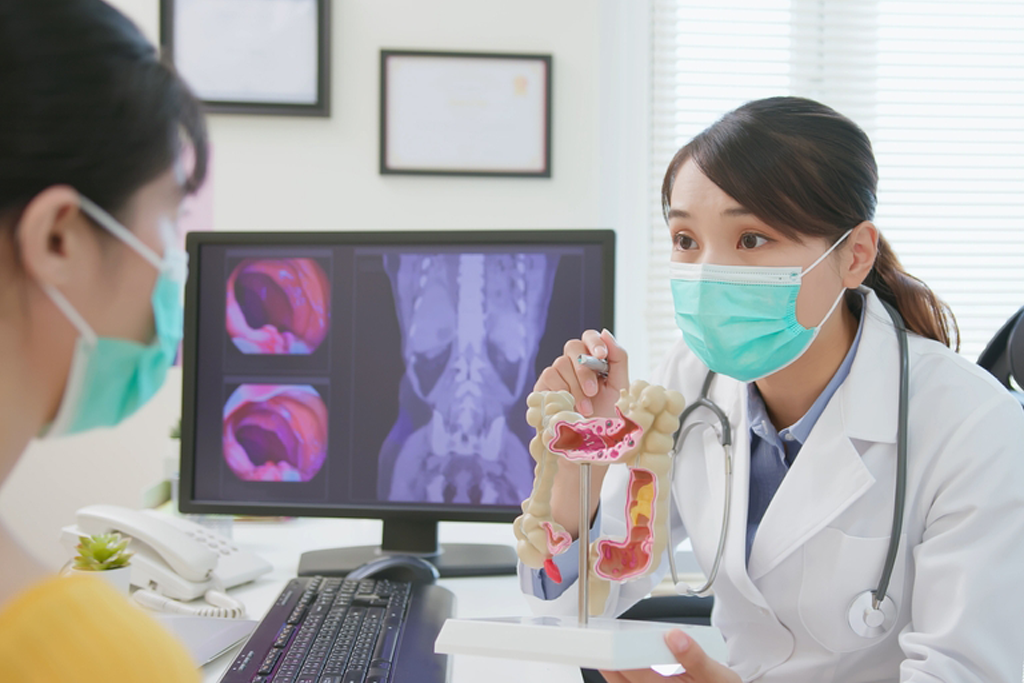
A 10-minute sponge test instead of endoscopy? What it is and who it may help

For many patients, the thought of undergoing an endoscopy can feel uncomfortable. While endoscopy remains the gold standard for diagnosing esophageal conditions, a new and less invasive test—called the “Sponge on a String” test—is showing promise as an alternative for detecting early changes in the esophagus.

A 10-minute sponge test instead of endoscopy? What it is and who it may help Read More »

Top 10 things to avoid doing to your gut in festive days

Festivals are a time for joy, family gatherings, and delicious food. But they can also be tough on your digestive system. Overeating, irregular sleep, and indulgence in sweets and fried snacks often lead to acidity, bloating, indigestion, and constipation. Protecting your gut health during festivals is essential to enjoy the celebrations without discomfort.

Top 10 things to avoid doing to your gut in festive days Read More »

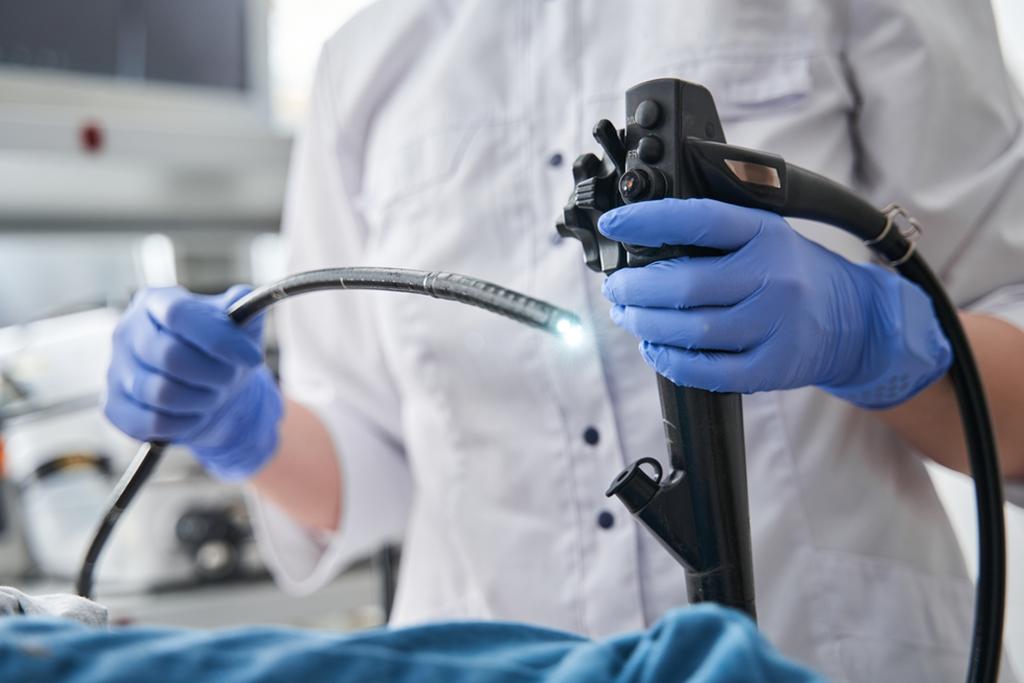
When Endoscopy Can Avoid Surgery: Advances in GI Tumor Removal

For many years, patients with growths or tumors in the gastrointestinal (GI) tract had only one option: surgery. While surgery can be lifesaving, it often comes with risks like pain, longer hospital stays, and slow recovery. But now, thanks to advances in endoscopy, doctors are increasingly able to treat these conditions without open surgery.

When Endoscopy Can Avoid Surgery: Advances in GI Tumor Removal Read More »

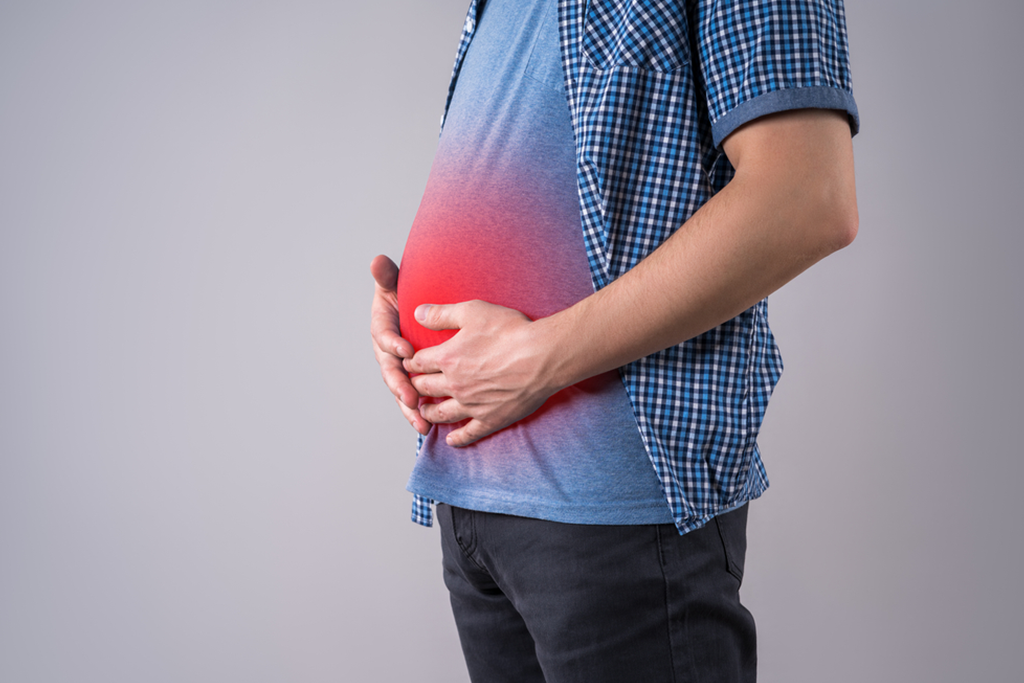
Bloating and Gas: When Is It a Sign of an Underlying Digestive Issue?

Bloating and gas are common digestive complaints that most people experience occasionally. While they are often harmless and result from dietary habits or lifestyle factors, persistent or severe bloating and excessive gas can indicate an underlying digestive disorder. Understanding the causes, symptoms, and when to seek medical attention is crucial for maintaining good gut health.

Bloating and Gas: When Is It a Sign of an Underlying Digestive Issue? Read More »

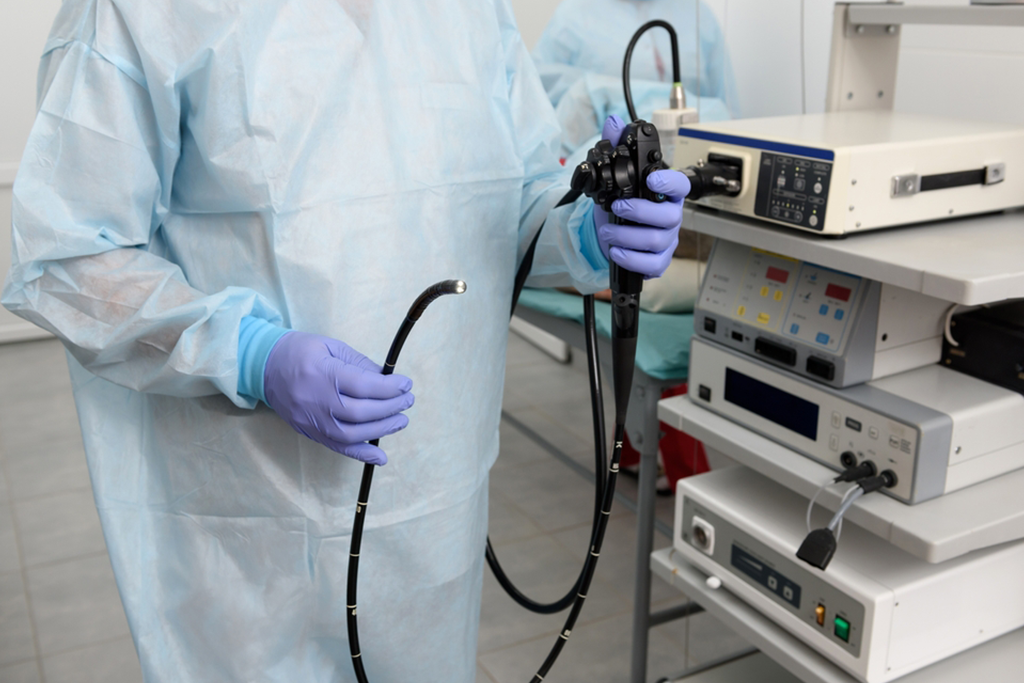
Advancements in Endoscopy: How Minimally Invasive Procedures Are Changing Digestive Health Diagnosis

Endoscopy has revolutionized the field of gastroenterology, enabling minimally invasive diagnosis and treatment of digestive disorders. With continuous advancements, modern endoscopic procedures offer greater precision, reduced recovery time, and improved patient outcomes. In this blog, we explore how these innovations are transforming digestive health diagnosis.

Advancements in Endoscopy: How Minimally Invasive Procedures Are Changing Digestive Health Diagnosis Read More »

Why Ignoring Acid Reflux Can Be Dangerous: The Link Between GERD and Esophageal Damage

Acid reflux occurs when stomach acid flows back into the esophagus, causing a burning sensation in the chest known as heartburn. When acid reflux becomes chronic, it leads to Gastroesophageal Reflux Disease (GERD). Ignoring GERD can result in serious esophageal damage over time, increasing the risk of complications like esophagitis, ulcers, and even esophageal cancer.

Why Ignoring Acid Reflux Can Be Dangerous: The Link Between GERD and Esophageal Damage Read More »

GERD and Acid Reflux: Causes, Symptoms, and Treatment Options

Gastroesophageal Reflux Disease (GERD) is a chronic digestive disorder where stomach acid frequently flows back into the esophagus, causing irritation. Occasional acid reflux is common, but if it occurs more than twice a week, it may indicate GERD. If left untreated, GERD can lead to complications like esophagitis, ulcers, and even Barrett’s esophagus, increasing the risk of esophageal cancer.

GERD and Acid Reflux: Causes, Symptoms, and Treatment Options Read More »

Early Signs of Liver Disease and When to See a Specialist

The liver is a vital organ responsible for many essential functions, including detoxification, protein synthesis, and the production of biochemicals necessary for digestion. Recognizing the early signs of liver disease can lead to timely intervention and better outcomes. In this blog, we will discuss the early symptoms of liver disease and when you should see a specialist.

Early Signs of Liver Disease and When to See a Specialist Read More »

Scroll to Top