What is an Endoscopy?
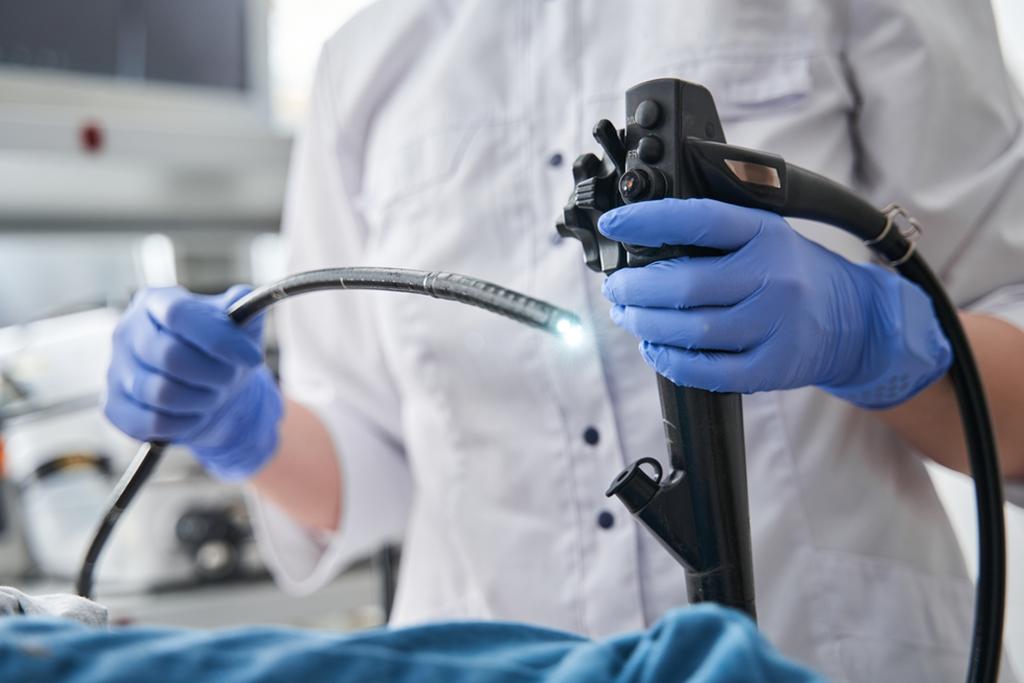
An endoscopy is a medical procedure that involves the use of an endoscope, a flexible tube with a light and camera attached, to examine the interior of the digestive tract.
There are several types of endoscopy, including:
- Upper Endoscopy (EGD): Examines the esophagus, stomach, and upper part of the small intestine.
- Colonoscopy: Examines the colon and rectum.
- Sigmoidoscopy: Examines the lower part of the colon.
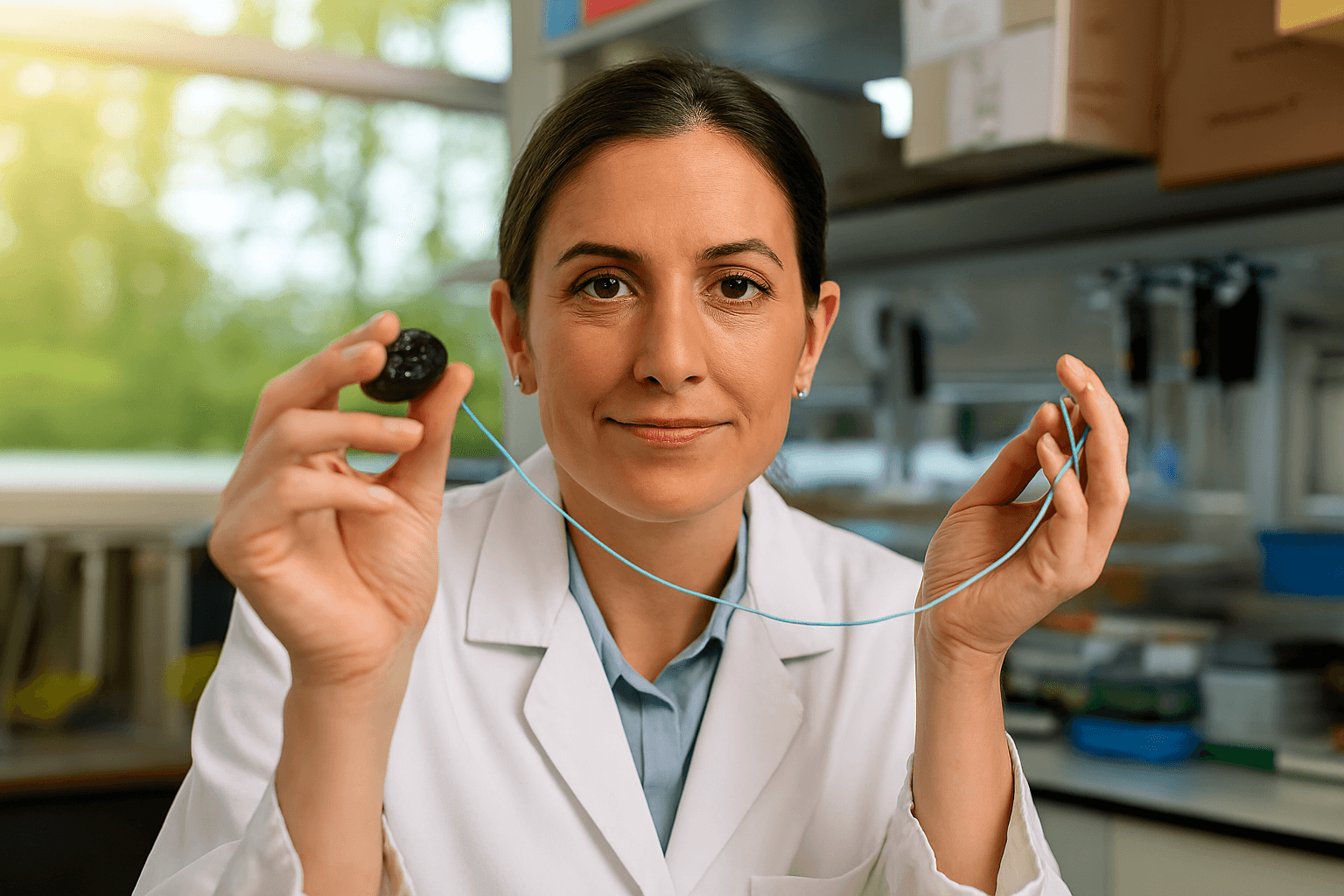
- Capsule Endoscopy: Uses a small, swallowable camera to take images of the digestive tract.
Why Regular Endoscopies are Important?
1. Early Detection of Gastrointestinal Disorders
Regular endoscopies can detect conditions like gastroesophageal reflux disease (GERD), ulcers, celiac disease, Crohn’s disease, and ulcerative colitis at an early stage. Early detection is crucial for effective treatment and better outcomes.
2. Screening for Cancer
Endoscopies are instrumental in screening for gastrointestinal cancers, such as esophageal, stomach, and colorectal cancer. Early detection of precancerous conditions or cancer itself can significantly improve survival rates.
3. Monitoring Chronic Conditions
For individuals with chronic gastrointestinal disorders, regular endoscopies help monitor disease progression and the effectiveness of treatments. This ongoing evaluation allows for timely adjustments in management plans.
4. Identifying and Treating Symptoms
Endoscopies can help identify the cause of symptoms like persistent abdominal pain, unexplained weight loss, chronic diarrhea, or bleeding. Once the cause is identified, appropriate treatment can be administered.
What to Expect During an Endoscopy?
1. Preparation
- Fasting: You will be instructed to fast for several hours before the procedure.
- Medication Adjustments: Your doctor may advise you to stop certain medications temporarily.
- Bowel Prep: For colonoscopies, you will need to follow a bowel preparation regimen to clear the colon.
2. Procedure
- Sedation: Most endoscopies are performed under sedation to ensure comfort.
- Examination: The endoscope is gently inserted into the digestive tract, and the doctor examines the area. Biopsies or polyp removals can be performed if necessary.
- Duration: The procedure typically lasts between 15 to 60 minutes, depending on the type.
3. Recovery
- Observation: After the procedure, you will be monitored until the sedation wears off.
- Post-Procedure Care: You may experience mild discomfort, such as a sore throat or bloating, which usually resolves quickly.
- Results: Your doctor will discuss the findings and any necessary follow-up steps.
When Should You Have an Endoscopy?
The frequency of endoscopies depends on individual risk factors, medical history, and symptoms. Here are some general guidelines:
- Routine Screening: Adults over 50 should have regular colonoscopies for colorectal cancer screening.
- High-Risk Individuals: Those with a family history of gastrointestinal cancers or chronic GI conditions may need more frequent endoscopies.
- Symptomatic Patients: Anyone experiencing persistent digestive symptoms should consult a gastroenterologist for potential endoscopy